Sources checked 30 October 2026 · Check your date with the provider
Some links are affiliate links. We may earn a commission on qualifying bookings at no extra cost to you. This does not determine your price or guarantee availability.
Choose a purpose before adding stops
A quick roadside meal and a serious embroidery purchase are very different visits. If you want to commission or fit clothing, allow time to discuss fabric, workmanship and delivery. If you only have a short gap before a transfer, choose one manageable stop instead of promising yourself a complete cultural tour.
The Tourism Promotions Board has paired Lumban embroidery, Paete craft, Pagsanjan dining and Santa Cruz food in a regional itinerary. That supports the cultural connection, but its schedule is not a public transport timetable or a guaranteed route for your tour. Our Laguna planning guide helps you choose a realistic cluster.
Look closely at Lumban's embroidery
Recent government reporting documents Lumban's hand-embroidery tradition and its use in barong, Filipiniana and gowns. A shop visit can make that tradition tangible through patterns, fabric and the work required to finish a garment. Ask which parts are embroidered by hand, where the work is done and what distinguishes the pieces in front of you.
Do not assume every item in an embroidery town has the same origin or production method. If you are interested in seeing artisans work, arrange a visit that specifically includes this rather than treating a retail counter as a workshop. Ask permission before photographing designs or people, especially where someone is concentrating on detailed work.
Buying clothing requires more than a price tag
For a garment purchase, compare the fabric, lining, stitching, fit and any alterations included in the quote. A custom order needs a written understanding of measurements, completion date, collection or delivery, and what happens if you cannot return. A low headline price is not useful if the finished item cannot reach you before departure.
Carry the garment requirements you actually need, such as the occasion and desired fit, instead of assuming the shop will infer them. Ask about folding, packing and care. If you are browsing rather than buying, say so politely. An honest conversation is better than asking for time-consuming fitting work under a mistaken expectation of an order.
Use the church marker to understand the town
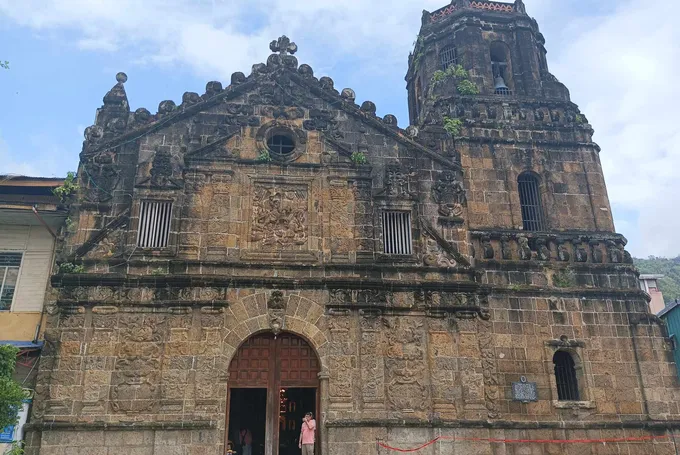
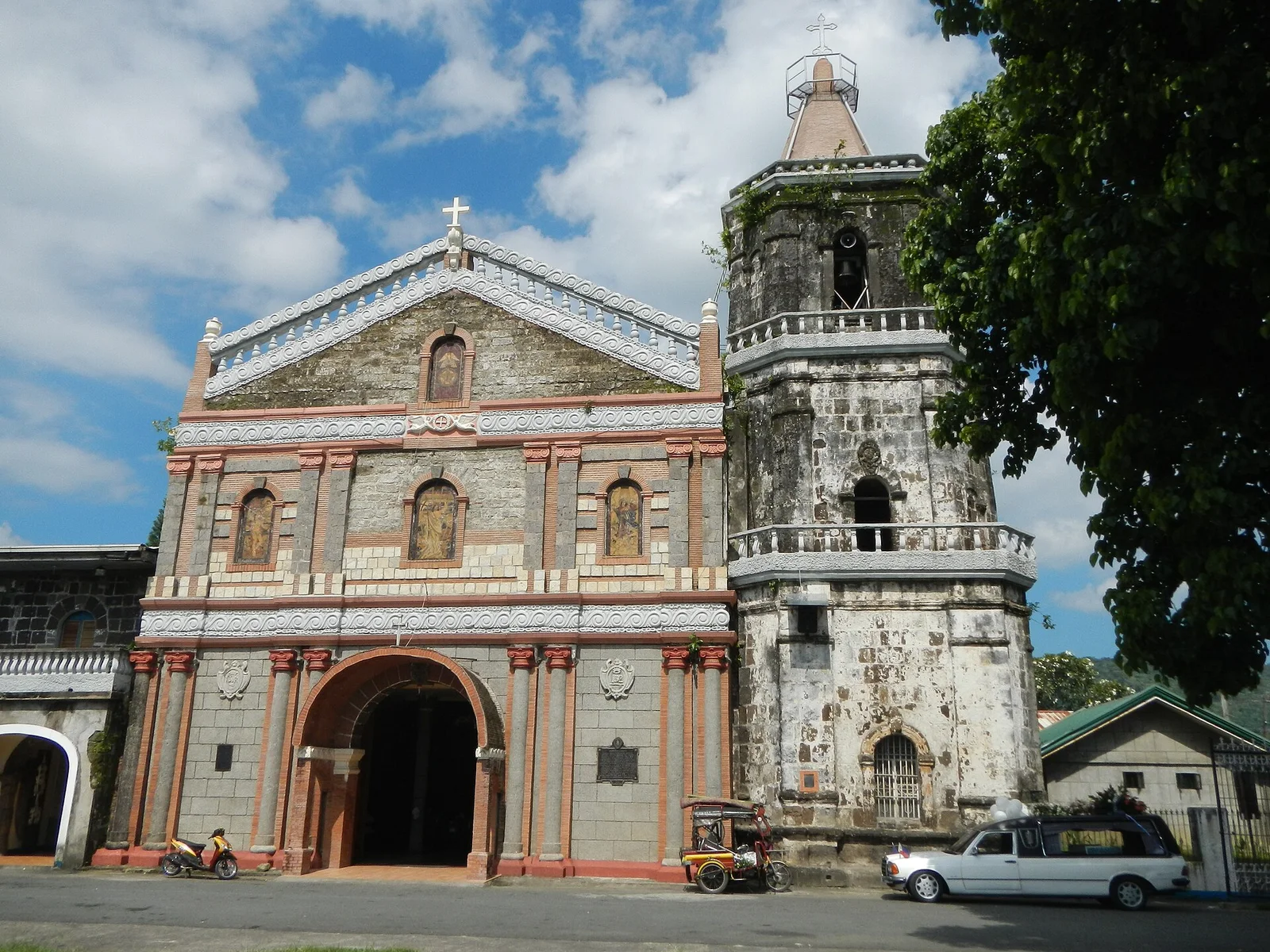
The NHCP's Church of Lumbang record uses a historical spelling of Lumban. Its marker identifies the stone church completed in 1600 as the first stone church in Laguna and records later damage and repairs. This gives the visit a specific historical focus while avoiding the misleading impression that all current fabric has remained untouched since that date.
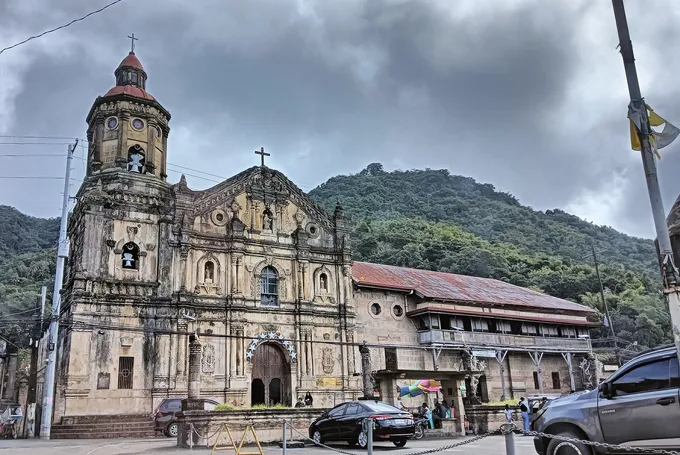
Treat the building as a working religious space. Check access and services, and be content with an exterior visit if the interior is unavailable. You do not need to turn every heritage stop into a lengthy tour. The church can provide context before a craft visit, just as the gateway and church do in Pagsanjan town.
Taste Santa Cruz through kesong puti
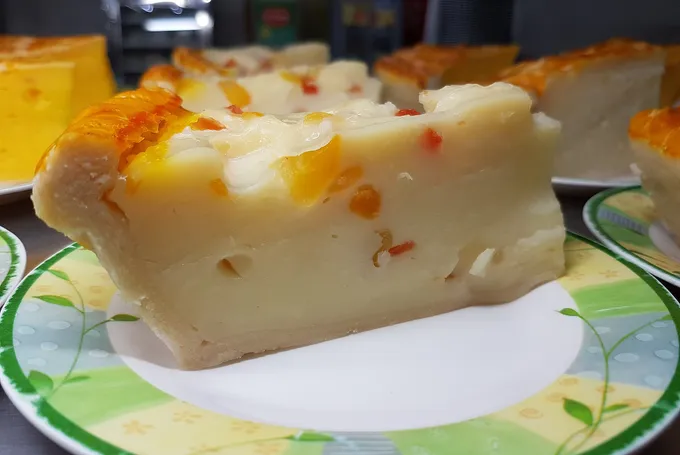
A 2026 Philippine Information Agency report documents Santa Cruz's traditional kesong puti industry and its local dairy producers. The cheese is part of the town's food identity, but it is not exclusive to Santa Cruz; other Laguna communities also make it. Asking where a particular product comes from can make the stop more informative than simply collecting a generic souvenir.
The same report discusses short shelf life and cold-storage needs. Ask the seller how the cheese should be carried and refrigerated for your actual onward journey. Do not leave a perishable purchase in a hot vehicle while adding several more attractions. If eating locally is easier than transporting it safely, make the tasting your experience.
Plan food around timing and dietary needs
A regional food stop can work before continuing to your accommodation, but check the current menu and service hours. The Tourism Promotions Board has included Santa Cruz dining in a Laguna itinerary; that does not establish that a named restaurant is open at every arrival time or able to serve a large group without notice.
Tell the restaurant about allergies or dietary needs before ordering, and ask about ingredients in sauces and prepared dishes. Cheese and other dairy products are not suitable for every traveler. Keep the meal separate from assumptions about your waterfall package: confirm whether lunch is included and where it is served. See the food guide for a wider planning approach.
Connect the towns without overloading the day
The Santa Cruz area appears in practical directions for reaching Pagsanjan by bus, but arriving at a bus stop does not mean your food or embroidery stop is immediately convenient. Save the exact addresses and confirm the last-mile ride and return. With luggage, consider going to your accommodation first or arranging secure storage rather than carrying everything through shops.
A dedicated half of a flexible day may feel better than rushing between a river return and a Manila transfer. If textiles and woodcraft are both important to you, consider a longer cultural circuit including Paete and Pakil. If the waterfall remains your priority, keep the additional visit modest and preserve time for changing conditions.
Questions before you go
Is all embroidery sold in Lumban handmade?
Do not assume so. Ask the shop about the fabric, origin and specific handwork on the item you are considering.
Can I order a custom garment during a short visit?
Only if the maker can confirm a realistic fitting, completion and delivery arrangement. Put those details in writing before paying.
Can I take kesong puti on a long day trip?
Ask the producer about refrigeration and transport for that product. Eating it locally may be simpler than carrying a perishable purchase through a hot day.
Is Santa Cruz the same place as the Pagsanjan boat launch?
No. It can be part of the transport approach, but you still need the exact landing station and an onward connection.
Sources & editorial notes
We use official tourism and heritage records, operator information and accommodation listings. The notes below list each publisher once; the full bibliography retains individual sources. A source check is not a live operating-status check.
- Philippine Information Agency ↗
- National Historical Commission of the Philippines ↗
- Tourism Promotions Board Philippines ↗
- Casa Marina Bed and Breakfast ↗