Sources checked 30 October 2026 · Check your date with the provider
Some links are affiliate links. We may earn a commission on qualifying bookings at no extra cost to you. This does not determine your price or guarantee availability.
Find out what your tour already serves
Some Pagsanjan packages include lunch; others leave it to you. Before choosing another restaurant, ask when the included meal is served, where it is located, what drinks cost and whether changing facilities are available nearby. A lunch inclusion is useful only if it suits the timing and needs of your group.
For example, Abraham's own Pagsanjan offer lists lunch and describes limited vegan options, but that arrangement must not be generalized to every tour. Check the selected option and communicate dietary needs before the travel date. Our tour comparison guide helps you read food and facility inclusions alongside transport and the river activity.
Look for a meal with a sense of place
The Tourism Promotions Board has included Calle Arco, an ancestral-home restaurant in Pagsanjan serving Filipino home-style food, in a regional cultural itinerary. That makes it a specific place to consider rather than a vague recommendation to eat somewhere local. Current opening hours, table availability and dishes still need checking.
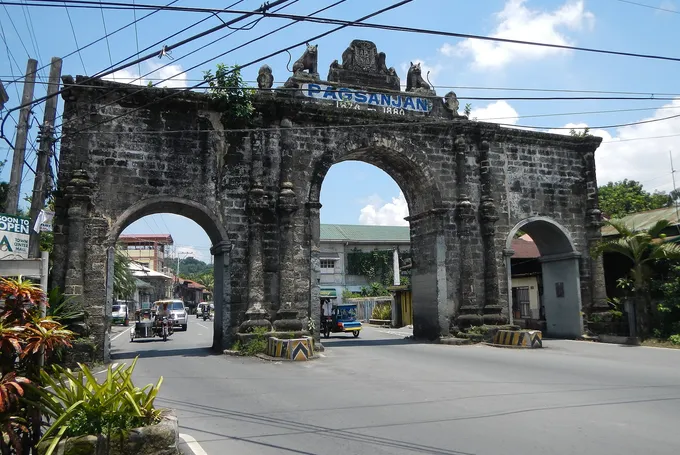
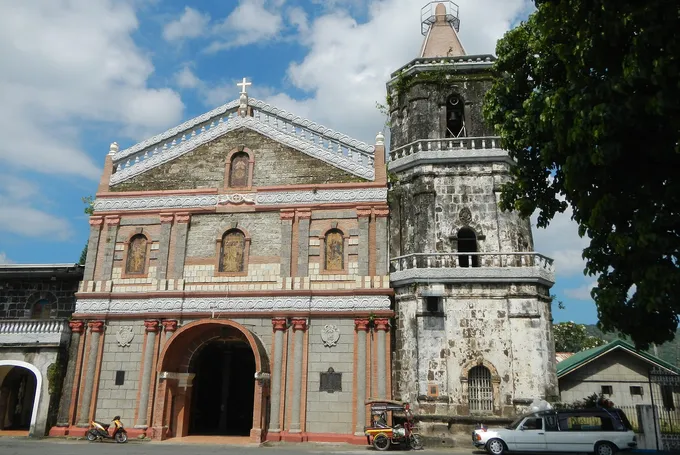
A meal in town can pair naturally with the gateway, church and municipal building after the boat trip or on the previous evening. Choose according to where you are staying and how you will get back, not only a photograph of the dining room. See the town guide for a compact heritage visit that leaves time to eat.
Treat coconut pie as a route-dependent stop
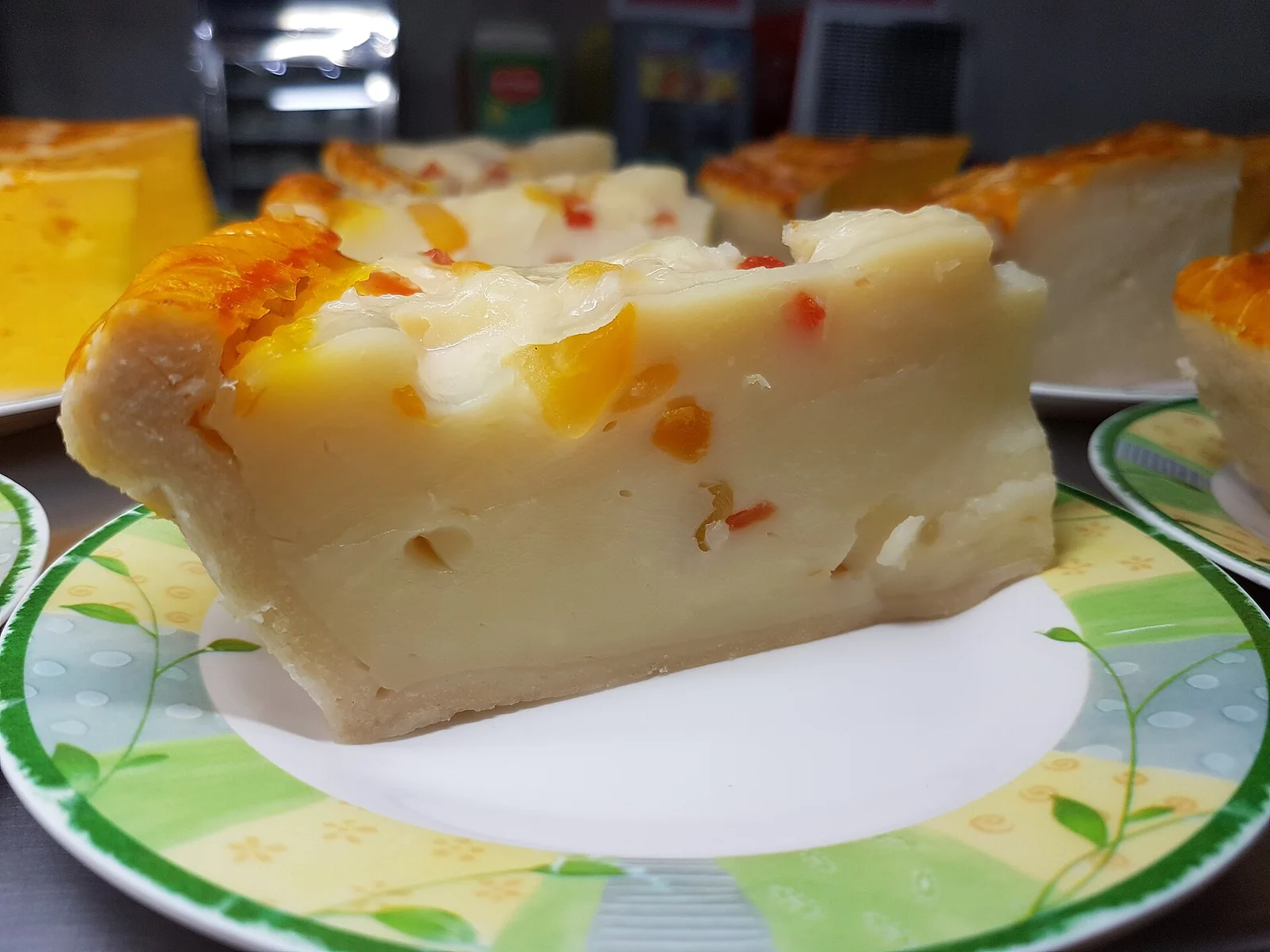
A direct Pagsanjan tour operator includes a coconut-pie taste during a Los Baños stop on its particular Manila itinerary. This supports the idea of enjoying a regional baking stop when the transfer route actually passes the relevant place. It does not mean every Pagsanjan excursion includes that detour or serves the same product.
Ask before buying how the pie should be carried and how long it will remain suitable for your journey. Do not assume a bakery product is dairy-free, gluten-free or suitable for every allergy; the operator's own FAQ explicitly says its coconut pie is neither gluten- nor dairy-free. Decide whether to eat a portion now or carry a whole pie later.
Santa Cruz's kesong puti: taste first, transport thoughtfully
Government reporting documents Santa Cruz's traditional kesong puti industry and the work of local dairy producers. The cheese is part of the town's food identity, though it is also made elsewhere in Laguna. A stop that includes asking who made it and where it came from can be more rewarding than simply buying an anonymous package.
The same reporting highlights short shelf life and cold-storage needs. Ask the seller about refrigeration and your onward travel time, especially if the purchase will sit in a vehicle. Avoid assigning a universal shelf life to every product. Our Lumban and Santa Cruz guide shows how to combine a food stop with a purposeful cultural visit.
Think about food and belongings on a water day
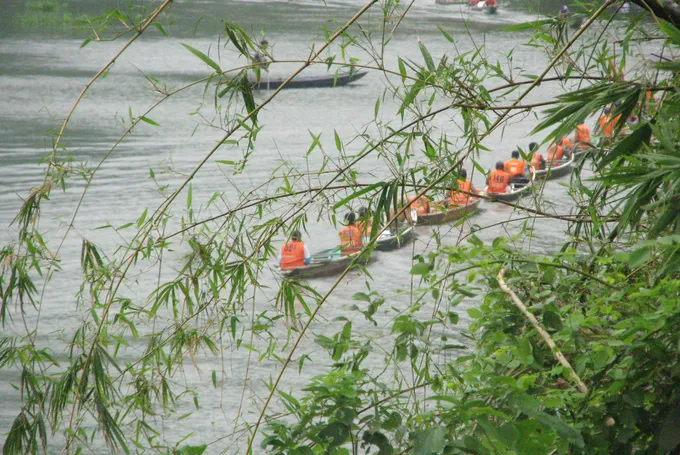
Plan breakfast and drinking water around the confirmed departure, rather than assuming food will be sold at each stage of the river trip. Ask the operator what can be carried in the canoe and where bags can remain securely. A large food purchase is usually easier to manage after the wet activity than while moving between boat and raft.
Keep a change of clothes separate so you can eat comfortably afterward. If someone needs a particular snack for personal reasons, discuss storage and the day's schedule with the operator. Do not leave food packaging behind at the river or a heritage stop. The packing guide helps separate what to carry from what to leave at your base.
Give regional food enough time
An overnight stay can turn food from a hurried refueling stop into part of the trip. You might choose a town dinner, a relaxed breakfast and one carefully planned regional purchase. That is often more enjoyable than stacking several famous food names between the waterfall and a long drive back to Manila.
Check current hours and avoid treating festival coverage as proof that a product is sold at every location throughout the year. Ask your accommodation for a specific current option that fits your needs, then verify the arrangement. Use the Laguna itinerary guide to connect meals with heritage or craft stops while retaining time for the journey home.
Questions before you go
Does every Pagsanjan tour include lunch?
No. Read the selected option and ask about drinks, meal timing and dietary accommodation. The product headline may not explain the full arrangement.
Is coconut pie suitable for dairy-free or gluten-free diets?
Do not assume so. Ask the actual producer; one operator explicitly says the pie on its itinerary contains dairy and gluten.
Is kesong puti only made in Santa Cruz?
No. Santa Cruz has a documented tradition, but other Laguna communities also produce the cheese. Ask about the origin of the specific product.
Should I buy food before the canoe trip?
Large or perishable purchases are often easier after the wet activity. Follow the seller's storage advice and confirm what the operator allows in the boat.
Sources & editorial notes
We use official tourism and heritage records, operator information and accommodation listings. The notes below list each publisher once; the full bibliography retains individual sources. A source check is not a live operating-status check.
- Tourism Promotions Board Philippines ↗
- Philippine Information Agency ↗
- Abraham Tours Philippines ↗
- Casa Marina Bed and Breakfast ↗