Sources checked 30 October 2026 · Check your date with the provider
Some links are affiliate links. We may earn a commission on qualifying bookings at no extra cost to you. This does not determine your price or guarantee availability.
Why combine Paete and Pakil?
Paete's woodcarving and taka-making traditions are documented in current provincial reporting, while the National Historical Commission records the histories of both towns' churches. This gives the pairing a coherent theme: living craft alongside buildings that have changed through generations. It is a stronger reason to visit than simply adding two names to a list of places near Pagsanjan.
Keep the day centered on a few meaningful stops. A workshop conversation, a careful look at a church and a relaxed meal can be more satisfying than several hurried photo stops. Use our Laguna itinerary guide to fit the pairing around your overnight base and confirmed transport.
Meet Paete as a working craft town
The provincial government's report on Paete's Ukit Taka Festival identifies woodcarving and taka-making as traditions being passed to younger generations. Look for evidence of the making process: tools, unfinished work and the differences between decorative, religious and everyday pieces. A shop displaying finished objects is not necessarily offering a public workshop or a demonstration on demand.
Ask before entering a work area or photographing an artisan. If you would like to see a demonstration, arrange it in advance through the actual workshop or a guide who names the participating business. Make clear whether the visit involves a fee or a purchase expectation, and avoid interrupting delicate work simply to obtain a photograph.
Buy something you understand
A useful purchase begins with questions rather than a claim that every item is locally handmade. Ask where the piece was made, which material was used, whether the carving or finishing was done by hand and how long a custom order would take. For delicate objects, discuss packaging and the practicalities of taking them on the rest of your trip.
Do not assume that a small souvenir and a substantial commissioned carving can be handled in the same way. If delivery or customization is involved, get the specifications, total cost and arrangements in writing. Check your own destination's import rules before buying natural materials; the seller's willingness to sell an object is not confirmation of entry permission elsewhere.
Read Paete's church as layered history
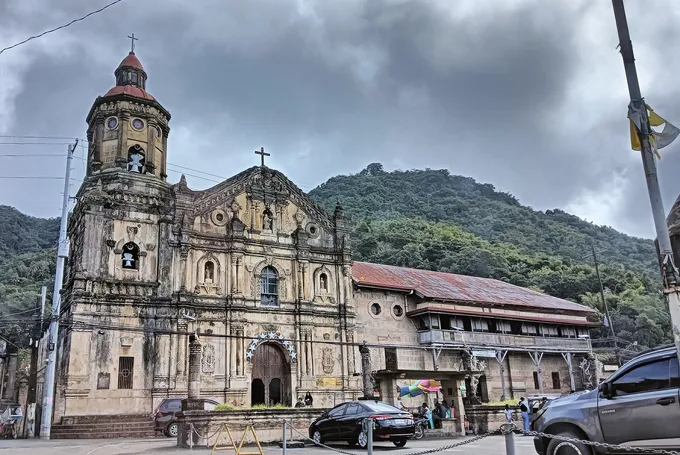
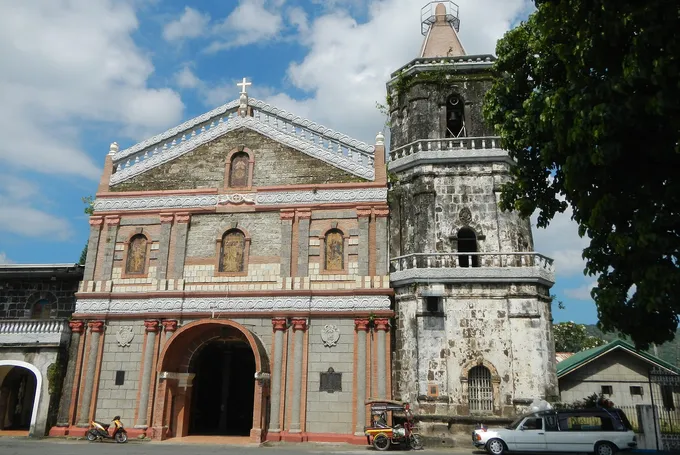
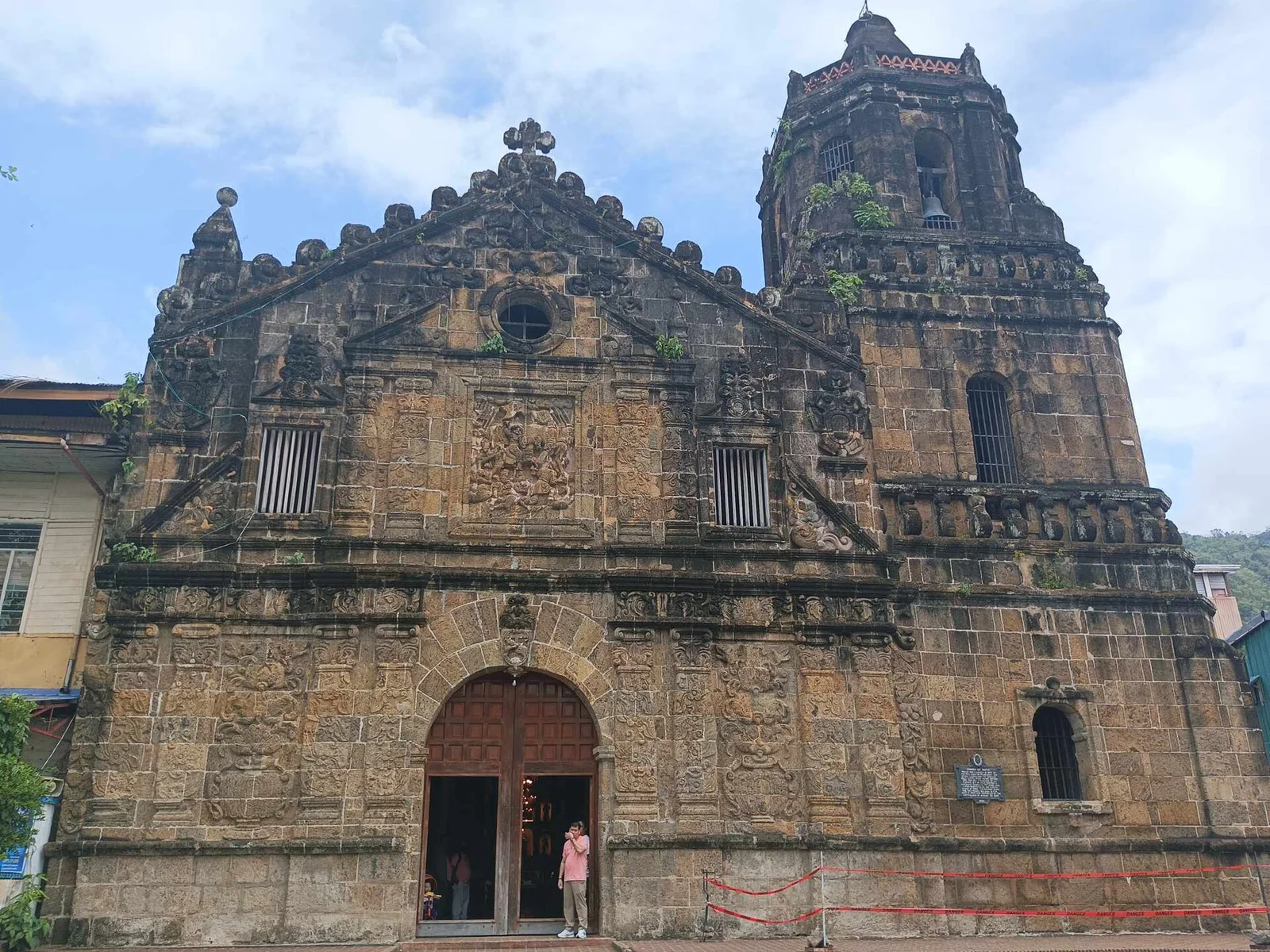
The NHCP registry identifies the Church of Paete as a national historical landmark and records successive damage and rebuilding. The useful visitor lesson is to look for layers of history rather than reducing the whole structure to one founding year. The official marker gives a firmer starting point than an unsupported claim that everything visible has survived unchanged for centuries.
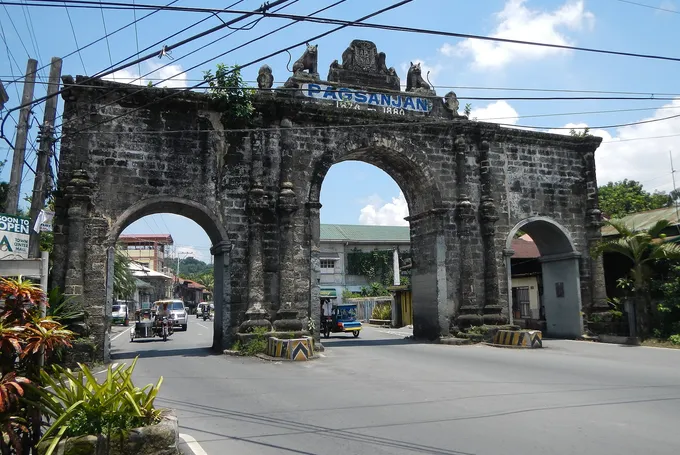
Check access on arrival and allow services to take priority. If the interior is unavailable, an exterior visit and a reading of the marker still have value. A respectful visit does not require a staged photograph or entry to every space. For another example of rebuilding after damage, see the Pagsanjan town heritage guide.
Give Pakil its own identity
Pakil's church marker connects its history with St. Peter of Alcantara and the town's separation from Paete in 1676. It also records the veneration of the Virgin of Turumba. This context helps explain why the church is more than an architectural stop: it belongs to a continuing devotional tradition that visitors should approach with care.
If a procession or celebration is your reason for coming, confirm that year's calendar through the parish or local authorities before arranging the trip. Do not assume a date from a past festival report repeats unchanged. During worship or a community event, follow local guidance about photographs, movement and where visitors may stand.
Plan the route around addresses, not optimistic timings
Ask your driver or host to help arrange a route with named stops and a clear return destination. A transfer quote should say whether waiting time, parking and any guide service are included. Public transport may suit some visitors, but a chain of local connections is different from a direct vehicle with time to wait while you browse.
Avoid combining the cultural outing with an inflexible airport deadline. Shopping, meal service and church access can all alter the pace. If coming after the waterfall trip, first allow for changing and returning any equipment. Our two-day plan offers a calmer way to keep river and town experiences from competing for the same hours.
Choose whether to add Lumban
Visitors particularly interested in textile craft may want to add Lumban's embroidery tradition, which the Tourism Promotions Board also includes in regional cultural itineraries. That can make sense as part of a longer day or another morning, but it should not reduce Paete to a hurried shop entrance or Pakil to a photograph through a vehicle window.
Decide what you want to learn or buy, then allocate time accordingly. A custom garment discussion, for example, may need fitting and decisions that cannot be rushed. Our Lumban and Santa Cruz guide explains the textile and food pairing. If your group is tired, keeping the Paete–Pakil day simple is a legitimate and often better choice.
Questions before you go
Are workshop demonstrations automatically available?
No. A shop visit does not guarantee an artisan demonstration. Arrange a named workshop and clarify timing, fees and photography permission in advance.
Can I combine these towns with Pagsanjan Falls in one day?
Possibly, but it depends on your starting point, river timing and transport. A separate cultural day gives more room for craft conversations and access changes.
When is the Turumba celebration?
Use the current parish or local calendar for the year you will visit. Historical background or last year's dates are not enough to plan a festival trip.
What should I buy in Paete?
Choose something whose material, origin, workmanship and transport needs you understand. Ask the maker or seller specific questions rather than buying only because an item is labelled traditional.
Sources & editorial notes
We use official tourism and heritage records, operator information and accommodation listings. The notes below list each publisher once; the full bibliography retains individual sources. A source check is not a live operating-status check.
- Provincial Government of Laguna ↗
- National Historical Commission of the Philippines ↗
- Tourism Promotions Board Philippines ↗